
Community
What Makes a Piazza Feel Safe? An Explainer on Lighting, Sightlines and Edges
October 15, 2026
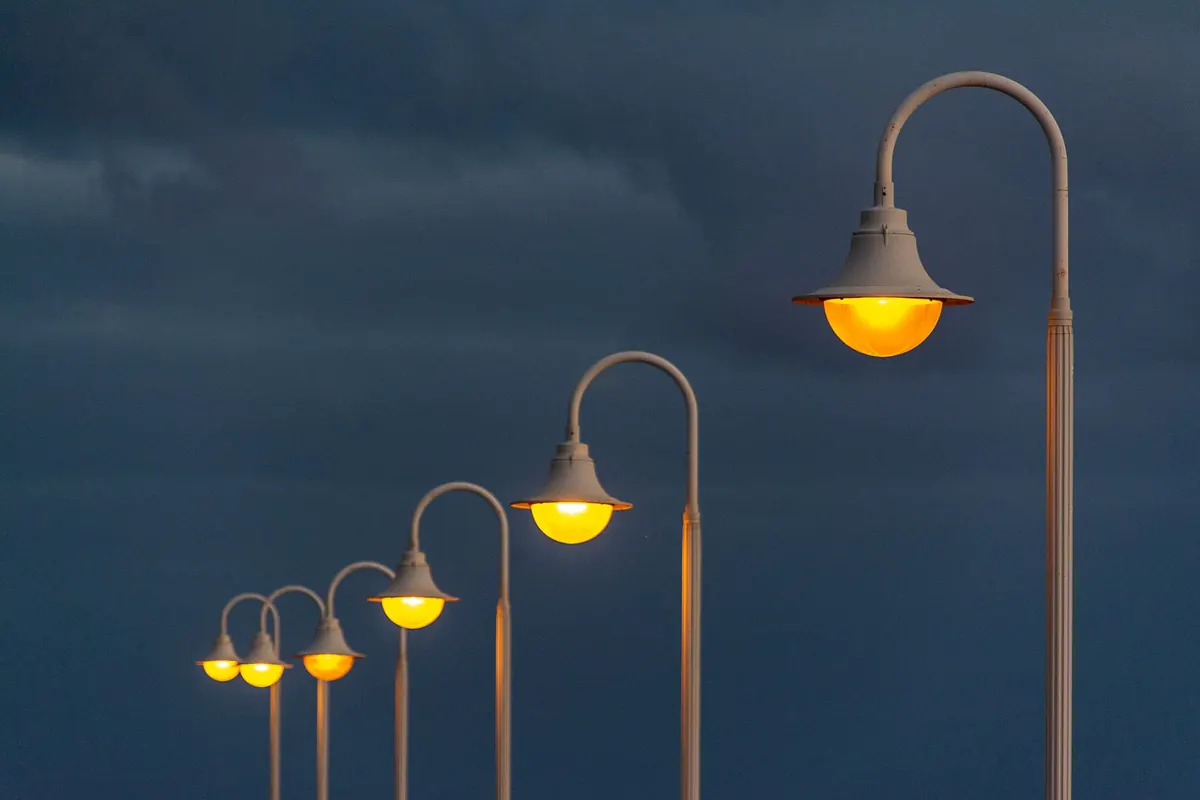
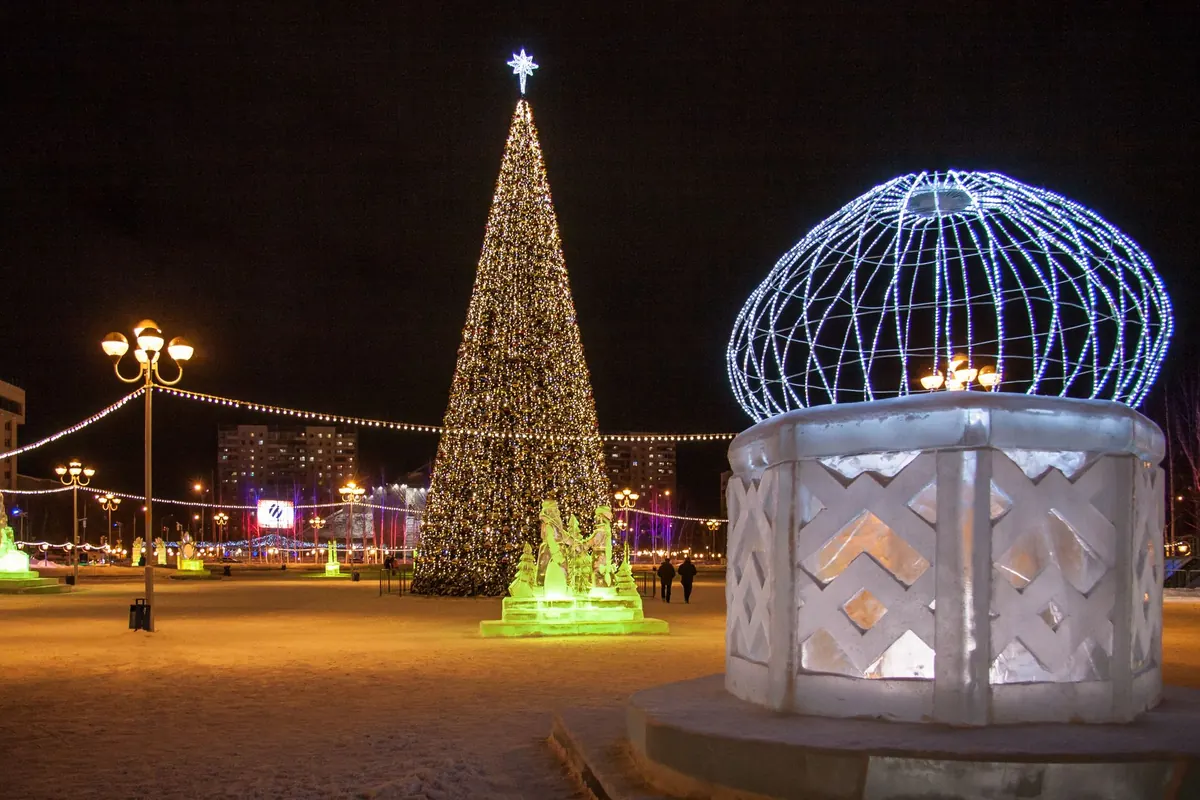
Stand at the mouth of a square at dusk and you make a judgement in about three seconds. Not a reasoned one — a bodily one. Can you see the far side? Is anyone sitting down? Is there a way across that doesn't mean walking close to a group you can't read?
That judgement is what designers call perceived safety, and it is assembled from surprisingly ordinary things: where the light falls, what blocks your view, and whether there is anywhere to sit that doesn't leave your back exposed. None of it needs a masterplan. All of it can be looked at, tested, and in most cases improved.
A Square Can Be Safe and Still Feel Wrong
Risk and the feeling of risk are not the same thing. A piazza can have no recorded incidents in years and still be avoided after dark by the people who live closest to it. That avoidance is not imaginary damage. Once the everyday users drift away — the person walking the dog, the teenager waiting for a friend, the couple coming back from dinner — the square is left to whoever is least bothered by the emptiness, and the reputation hardens.
Four physical things do most of the work in how a place reads: lighting, sightlines, edges, and the visible evidence that somebody is looking after it. They interact. A beautifully lit square with one blind corner still has a blind corner, and people will remember the corner, not the light.
Lighting: It's Uniformity, Not Brightness
The instinct when a square feels unsafe is to ask for more light. The better ask is for better light. A few very bright fittings separated by pools of darkness can be worse than a moderate, even wash, because your eyes adapt to the brightest thing in view. Stand under a glaring lamp and everything beyond it goes black.
Three things are worth knowing before you talk to anyone about the lighting in your square.
- Light the routes, not just the centre. People move in lines: gate to bus stop, playground to car park, one corner to the other. Those lines need continuous light, including the parts that feel like nobody's responsibility.
- Light vertical surfaces. Being able to see a face, a doorway or a shop window depends on light hitting upright things, not just paving. Walls, columns, the lower trunks of trees and the fronts of buildings all matter more than a bright patch of ground.
- Watch the height and colour. Fixtures on tall masts spread light widely but flatten faces. Lower, human-scale fittings tend to make a place feel legible. Very cold, blue-white light reads as institutional; warmer light tends to read as inhabited. Neither is a rule, but the difference is noticeable at night.
Then look for the gaps: under dense tree canopy, behind a kiosk, at the foot of a stair, in the corner where two walls meet. Those are the spots that decide whether someone takes the short way across or walks around the edge with their keys in their hand.
Sightlines: Can You See Through, and Be Seen?
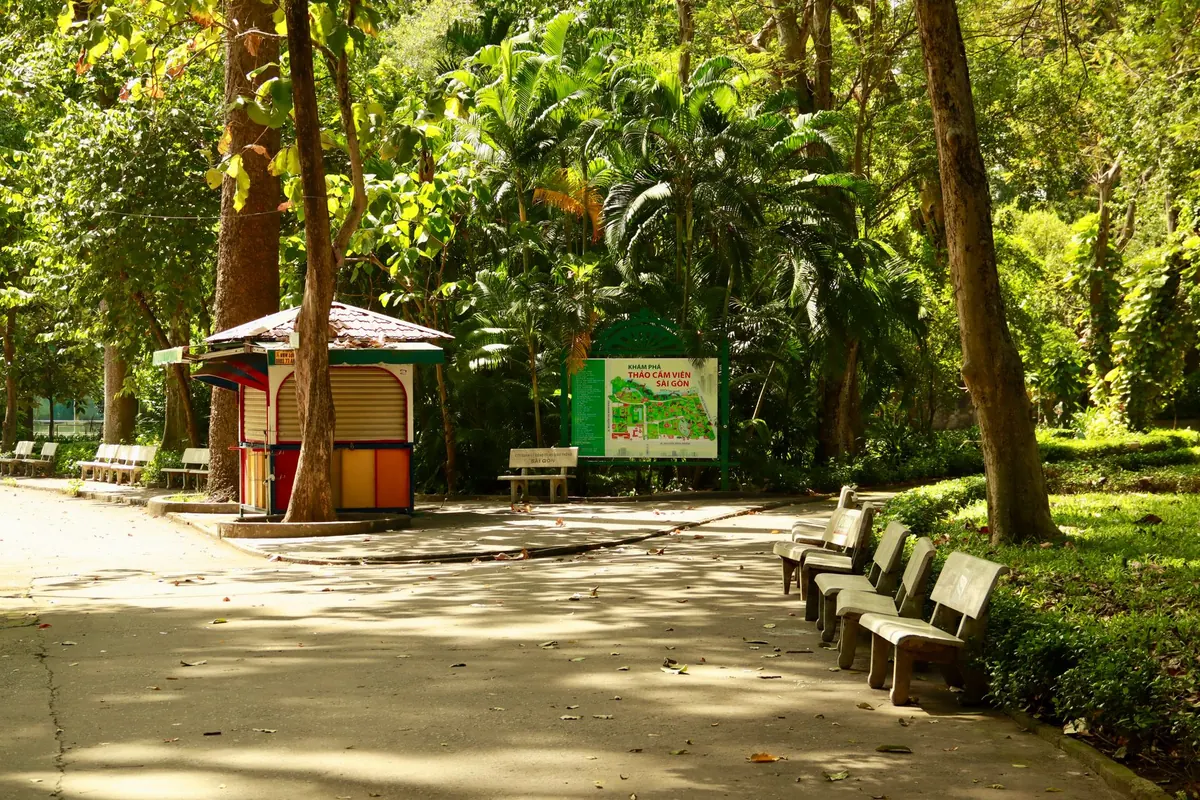
The simplest test is also the most revealing. Sit down on a bench and look out. Can you see the whole square from there? Most people never do this, and most squares fail it. Planters that look generous in daylight become walls at night. A row of parked scooters, a market stall left up, an advertising board, a bin placed at the corner of a path: each one shaves a slice off your field of view.
Greenery is the usual culprit. A hedge trimmed to chest height along a main path reads as a soft edge all day and as a screen after dark. Low branches do the same. This is not an argument against planting, which does more for a square's comfort than almost anything else. It is an argument for keeping the sightline band clear, roughly between waist and head height, along the routes people actually use.
Being seen matters as much as seeing. A corner that is overlooked by windows, a café, a bus stop or a lit doorway is a corner where someone is far less likely to be bothered. Blank ground floors — a shuttered bank, a wall of roller doors, a long stretch of railing — remove those eyes entirely, and the square loses its quiet supervision.
Edges Are Where People Choose to Be
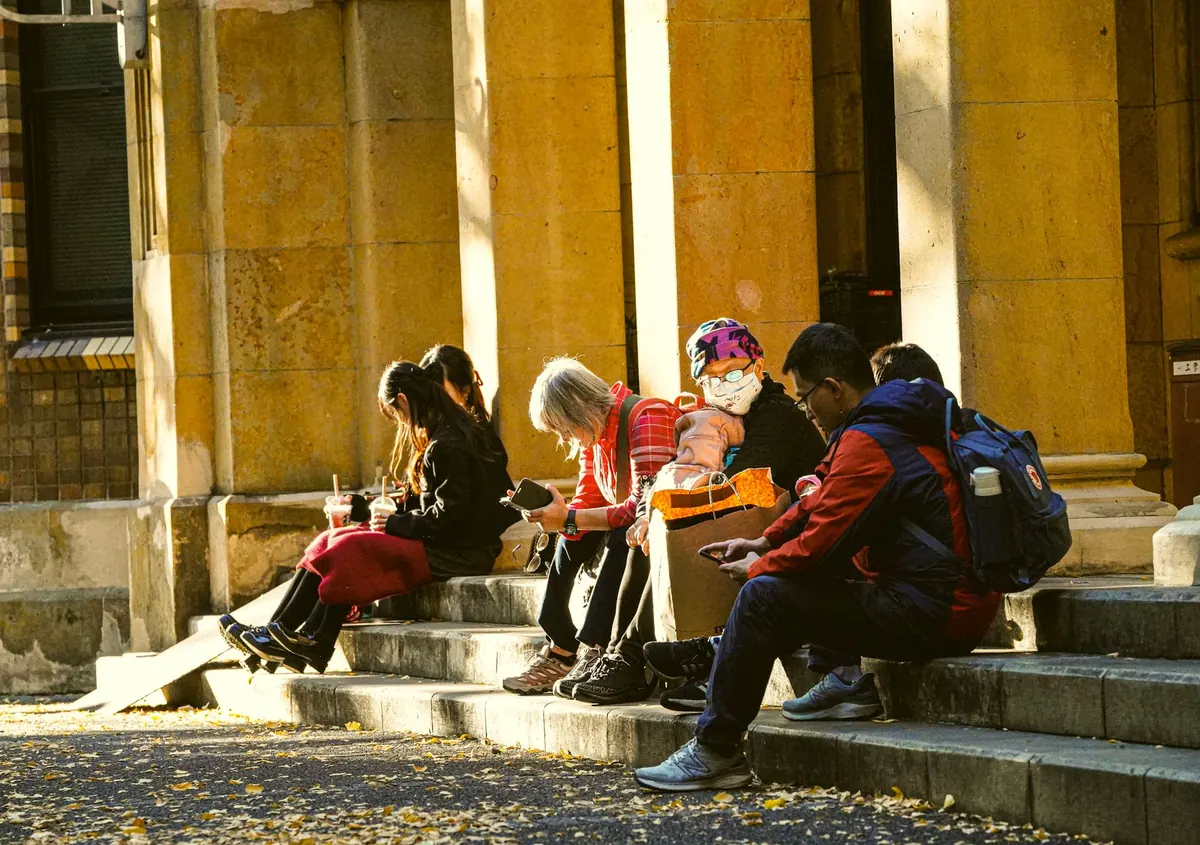
Watch any busy square and you will find people clustered at its perimeter: at the foot of steps, along a low wall, under an arcade, at the boundary between the open space and the street. Edges offer a back, a bit of shelter, and a view of everything happening in front. A bench in the middle of a large empty expanse is often empty itself.
So the question to ask of your square is not "are there seats?" but "where are the seats, and what do they face?" A bench turned toward the road, with its back to the square, wastes the best position in the place. A bench at the edge, facing the activity, does two jobs at once: it gives someone a comfortable place to sit and it puts a calm, visible presence at the boundary.
Long, unbroken edges cause trouble. Sixty metres of blank wall or continuous railing reads as a corridor rather than a room, and corridors invite speed. Breaking that run with a door, a light, a planter, a change of material or a single bench changes how the whole side of the square feels. Look out, too, for leftover spaces: the strip behind a monument, the dead ground under a raised walkway, the gap between a building and a hedge. These orphan pockets are where things get dumped and where people stop going.
Care Is Visible, and People Read It
A broken lamp that stays broken for a season. A bin overflowing onto the paving. Cracked slabs, dead shrubs, a tag of graffiti left untouched for months. None of these is dangerous in itself. Together they broadcast a message: nobody is minding this place. That message changes behaviour more reliably than any single design flaw.
The other half of care is use. A square with a morning market, a lunchtime crowd, an after-school rush and a few evening tables has people in it almost continuously, and continuous use is the most effective safety measure a public space has. A square that fills for two hours at midday and empties by five has a long, quiet evening to get through. Programming, ground-floor businesses and small regular events are not decoration; they are the reason a place stays legible after dark.
How to Assess Your Own Square
You don't need instruments. You need an hour, a notebook and a bit of patience. Do this over a week rather than a single visit.
- Go three times. Mid-morning, late afternoon, and after dark. Note how the same corner feels at each hour.
- Walk the perimeter first. Most people cut straight across the middle and never see the edges. Start with the entrance you use least.
- Sit in three places for ten minutes each. One in the middle, one at an edge, one near an exit. Write down what you can see and what you can't.
- Look up at night. Count the windows that overlook the square and how many are lit. That is your supply of eyes after dark.
- Photograph the problems. The dark patch behind the kiosk, the hedge blocking the path, the failed lamp, the bin. A dated photo is worth more in a meeting than a description.
- Notice where you speed up. Your own body is a reliable sensor. Mark those spots on a rough map.
- Ask five people. The newsagent, the person on the bench, the parent at the playground, the person closing up a shop. You will hear things no survey will tell you.
What to Ask For, and in What Order
Start with repair, not redesign. Two failed lamps replaced, a hedge cut back to waist height along one path, three benches turned to face the square rather than the road, a light on the wall by the underpass. These are cheap, fast, and they change how a place feels within a week. Ask who maintains each element and get a name, because "the council" is not an answer that produces a fixed lamp.
When you do ask for something bigger, bring the map, the photographs and the times you visited, and ask for one specific change with a date attached. Vague requests for "a safer square" get filed. A request to light the path between the south gate and the bus stop gets answered.
Then keep going back. A square is not made safe once and left. It is kept that way by people who notice when a lamp goes out, when a hedge grows, when a bench gets moved, and who say so before the season turns. The most reassuring thing about a public space is rarely a design feature. It is the sense that someone is paying attention.
Photo: Jan van der Wolf / Pexels
Related posts
More stories you’ll love reading