

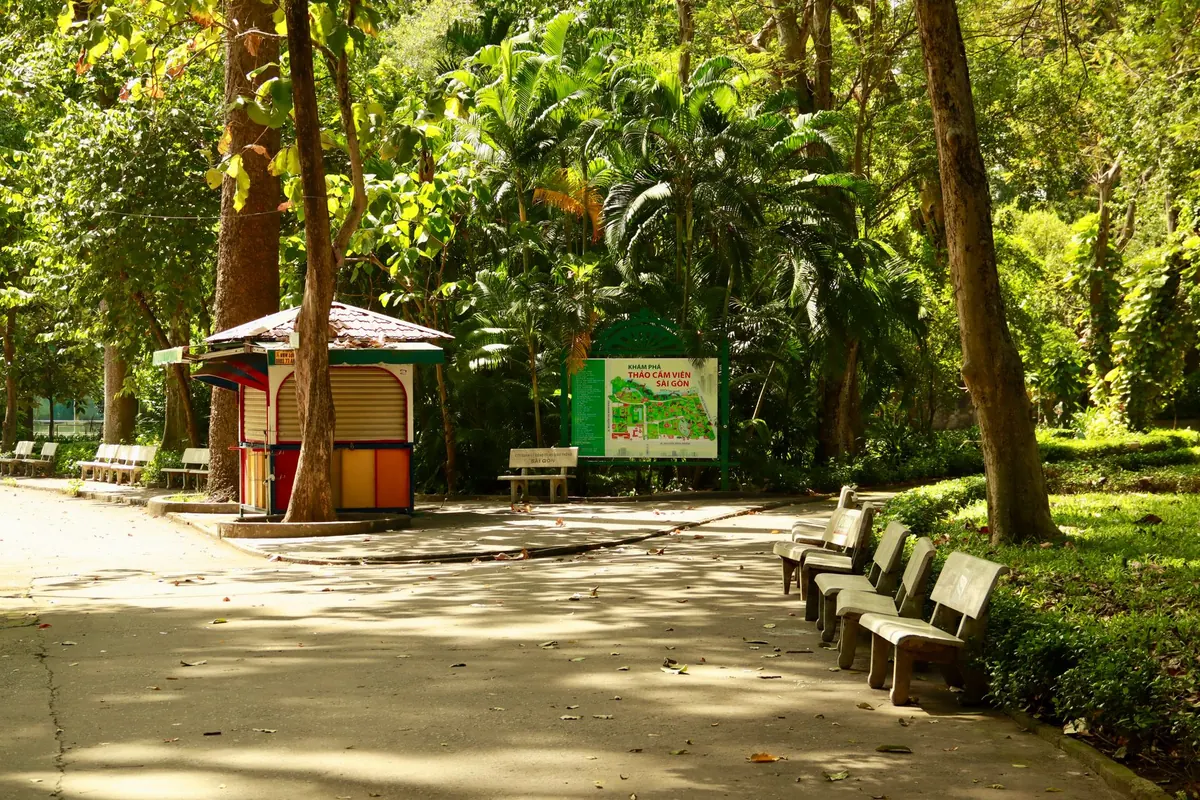
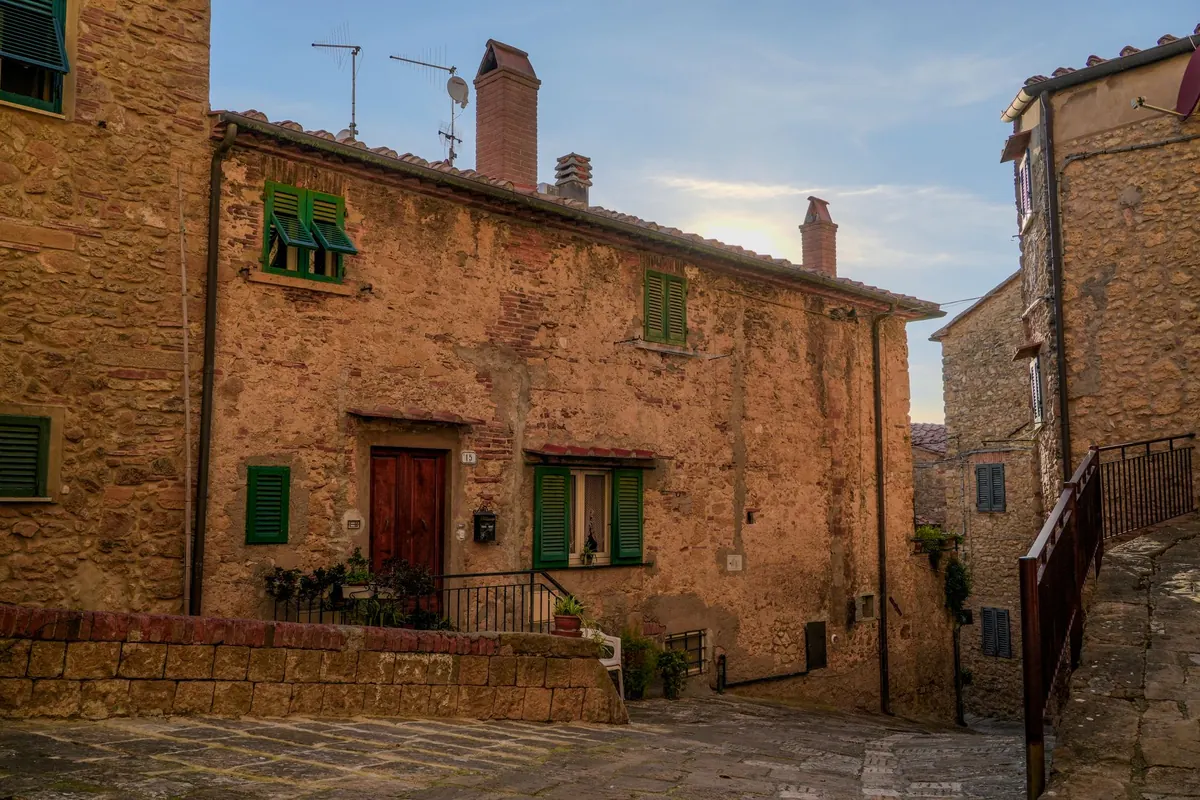
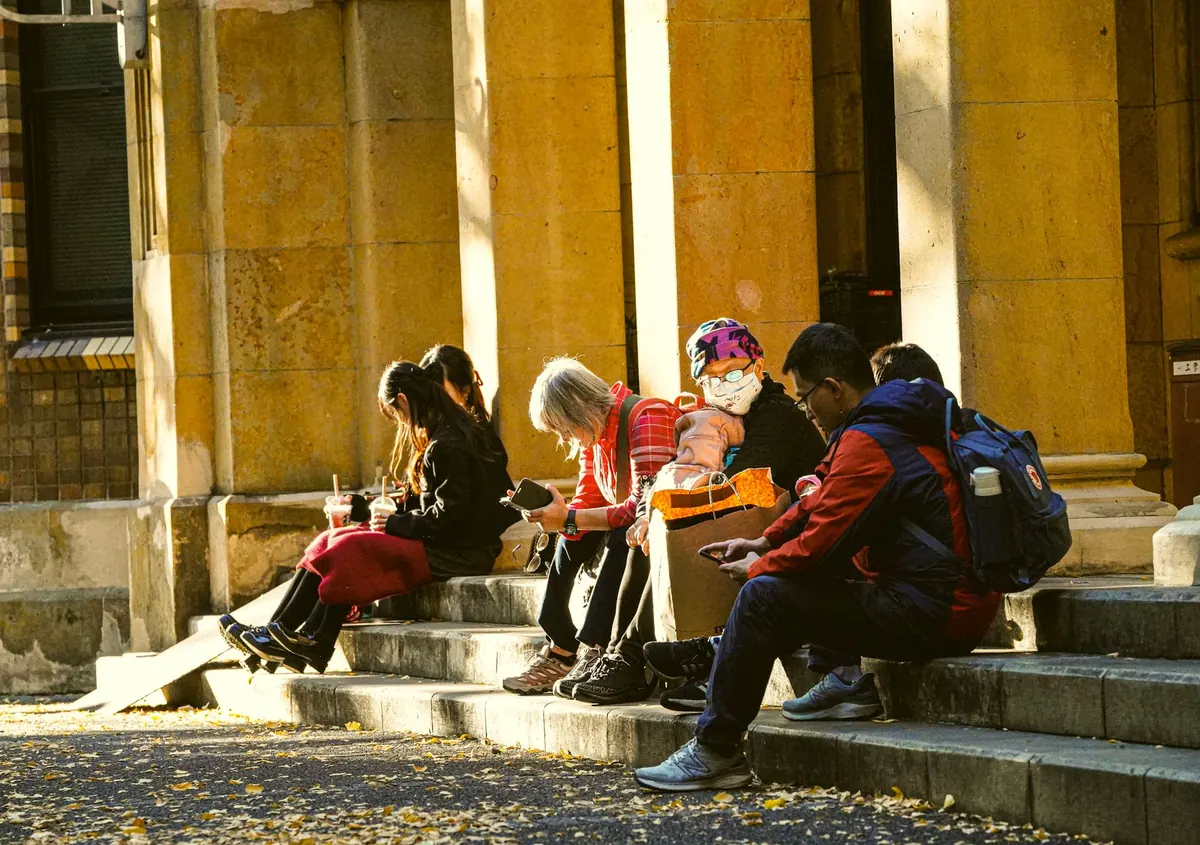

By late June, most squares have already had their big night. A stage goes up, a band plays, a few hundred people arrive, and everyone says the same thing: we should do this more often. Then August arrives, the stage comes down, and the piazza goes back to being a place people cross rather than stay. The problem is rarely ambition. It is rhythm. A seasonal events program works when it behaves less like a festival and more like a habit — something residents can plan around, tell a friend about, and fold into a Tuesday.
Read the square before you book anything
Before the first booking, spend three evenings in the square doing nothing. Sit on a bench, buy a coffee, watch. Note where the shade lands at seven o'clock and where it has vanished by eight. Notice which corner catches the wind, which bench the older men claim every afternoon, which doorway the teenagers lean in. You are looking for the shape of the place as it already is, because the best programming bends around existing habits instead of competing with them.
Listen, too. Sound travels oddly through narrow streets: a brass quintet at eight in the evening will reach further than you expect, and a single amplified voice carries further still. Walk two blocks out in each direction and check what you can hear. Then talk to the people whose evening you are about to change — the bar that opens at seven, the restaurant that fills at nine, the residents above the arcade. Their tolerance is the resource your whole season runs on, and it is much easier to protect if you ask early.
Finally, notice the square's natural hours. A market square with a morning economy empties after lunch. A church square may be busy until dusk and silent afterwards. A waterfront piazza belongs to whoever gets there first. Scheduling against that grain is possible, but it costs twice as much energy as working with it.
Build a weekly spine, not a calendar of one-offs
Fourteen scattered dates across a summer feel busy on paper and forgettable in practice. Ten repeated weeks feel like an institution. Pick two or three fixed slots and hold them, same day, same hours, same corner of the square, for the whole season. Something like this:
- Tuesday evening: a small market — produce, bread, makers — running from five to nine, with the same vendor line-up each week.
- Thursday evening: music, kept deliberately low-key: acoustic sets, a local choir, a jazz trio, students from the conservatory.
- Saturday morning or early evening: family programming — a reading corner, a craft table, a long table for board games.
Repeat, repeat, repeat. The third week is when people start saying "see you next Thursday" without being asked. The sixth is when someone who has never spoken to a neighbour arrives alone because they know exactly what will be there.
Three kinds of programming, three different machines
Music sets the tone
Music does more than any other element to tell people what kind of evening this is. Loud and fast means a crowd that stands and stays late; quiet and acoustic means people sit, talk, and bring children. Choose one and be consistent. Agree sound checks well before the slot opens, fix a firm finish time, and tell the sound engineer and the performers the same number. A night that ends when it said it would is the single most neighbour-friendly thing you can do.
Markets need certainty
Vendors are running businesses, and they will not carry stock to a square that may or may not have visitors. Commit to a minimum number of dates, publish the layout in advance, and keep the same pitches so customers learn where to find their favourite stall. Give vendors a clear arrival window, somewhere to park, and a person to call. If a market night is quiet for two weeks, resist the urge to move it; the point of a spine is that it stays put.
Evening programming should be easy to join
Not everything needs a stage. A screen showing a classic film, a talk under the trees, a dance night with a short lesson at the start, a table where people can learn a card game — these cost little and lower the threshold for people who would never walk into a ticketed venue. Leave space at the edges. The best-attended moments are often the ones where someone can stand and watch for five minutes before deciding to sit down.
Comfort is programming
People do not stay in a square because the lineup is good. They stay because staying is pleasant. Shade, water, seating that can be moved, toilets, bins, and lighting that makes the walk home feel fine at ten o'clock — none of this appears on a poster, and all of it decides whether the poster's promise holds.
In hot months, shift start times later and provide free drinking water. Keep a stack of lightweight chairs that people can drag where they like, and let them. Check the perimeter lighting yourself, on foot, after dark. If the route from the square to the nearest bus stop is badly lit, that is part of your events problem, even though it belongs to someone else's budget. On heat and safety matters, follow local guidance and take advice from your municipality's events or public health office rather than relying on general rules of thumb.
Keep the regulars coming back
Loyalty in a public square is built from small recognitions. The same host opening each night. A printed program left at the bar, the bakery, the library. A short slot reserved for local residents — a neighbour who plays accordion, a reading group, a football club — which gives the program a stake in the place rather than a roster of imports.
Name the nights something people can say out loud without embarrassment. "Thursday in the Square" is fine; a clever brand nobody repeats is not. And pay attention to the person who comes alone. A long shared table, a bench facing the action, a place to sit without buying anything: these make the difference between a crowd and a public.
The boring parts that decide the season
Permits, insurance, sound limits, waste contracts, vendor agreements and a single phone number that residents and traders can call. Sort these before the season opens, not during week three. Keep a short written agreement with each vendor covering dates, fees, cancellation and who clears what at the end of the night. Confirm in writing what your municipality requires for public gatherings, sound amplification and food sales; rules vary by place and by the size of the event, so check with the relevant office and take professional advice on insurance and contracts rather than working from assumptions.
One person should own the schedule — someone who answers the phone, knows which vendor is missing, and can decide at four in the afternoon whether the weather means cancelling. Shared ownership across a committee sounds fair and behaves badly when a decision is needed in ten minutes.
Measure lightly, then adjust
You do not need a research budget. Three counts do most of the work: how many people stay longer than twenty minutes, how many vendors return for the following week, and how many faces the host recognises. Add a notebook at the information table and read it. If Tuesday is dying, do not cancel it — change one thing, such as the start time or the seating, and give it three weeks before judging.
A short checklist before opening night
- Fixed weekly slots published, with dates and finish times, on paper and online.
- Sound limits agreed with performers and written into their booking.
- Shade, water, movable seating, toilets and bins confirmed.
- Perimeter lighting walked and checked after dark.
- Vendors briefed on pitches, arrival times and waste.
- Permits, insurance and food-sales requirements confirmed with the local authority.
- One named contact with decision-making authority on the night.
- Neighbours told in person what is happening and when it ends.
Start with fewer nights than you think you need, run them well, and let the square tell you where to add. A summer program is not judged in July by how full the square was on opening night. It is judged in September by whether people are already asking what happens next year — and by whether they know which evening to keep free.
Photo: David Brown / Pexels
Related posts
More stories you’ll love reading