
Local Guides
A Local Guide to Squares in the Off-Season: What to See and Do in Winter
October 29, 2026
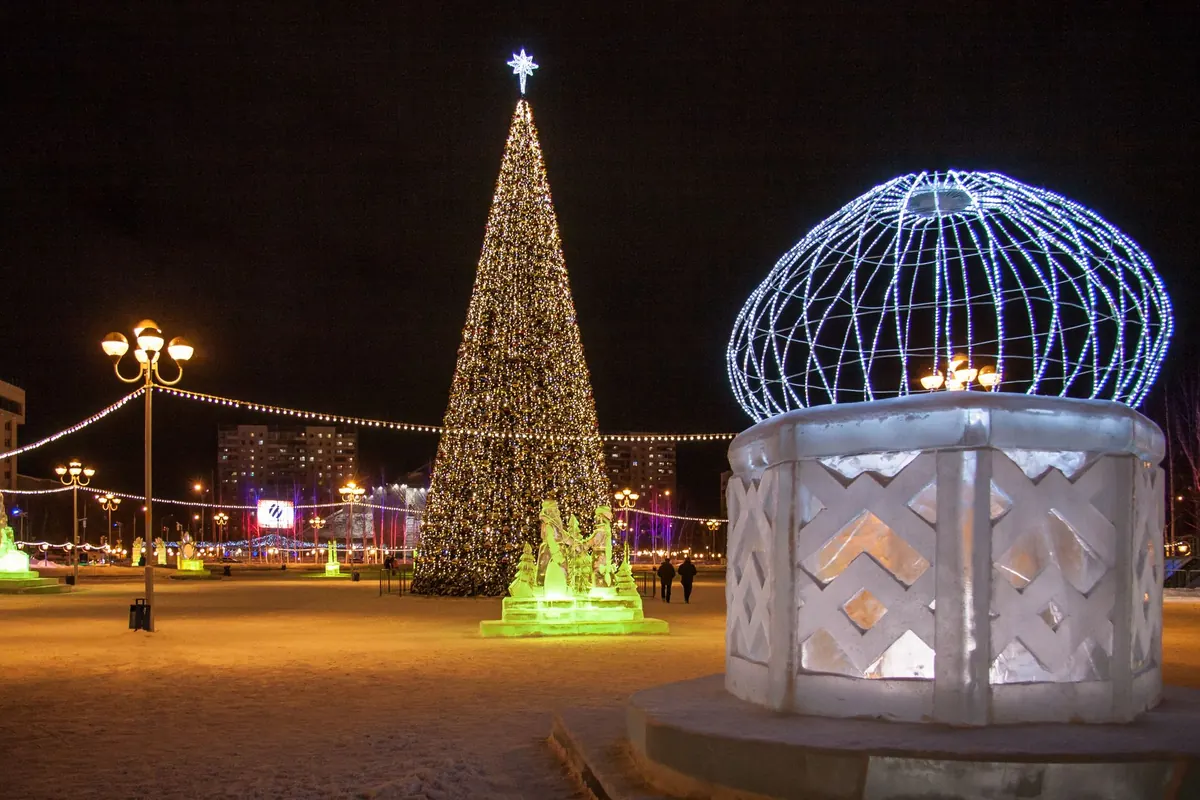
The square you crossed in July is not the square you get in January. Same paving, same fountain, same row of café tables — but the light arrives at a different angle, the benches are empty by four, and the people who do come through move faster and stand closer together. Winter doesn't empty a public square so much as rewrite its script: markets take over the middle, locals reclaim the sunny side, and the façades you never looked at in summer suddenly have your full attention. What follows is a working guide to visiting squares in the cold months — when to go, what changes, and how to get something out of a place that is, for a few months, quietly itself again.
Morning Is the New Evening
In warm weather, a square belongs to the evening. People linger after dinner, kids run laps around the fountain, and the last tables don't clear until midnight. Cold weather compresses all of that into daylight. The social peak moves to late morning and early afternoon, when the sun is high enough to warm stone and the wind hasn't yet found its way down the side streets.
Plan around that shift. Between roughly ten and two you get the best combination of light, open cafés and enough people to make the place feel alive without being crowded. After three, the character changes: office workers cut across the corners, the market packs up, and the square starts to feel like a corridor rather than a room. An hour after sunset it may be genuinely deserted — which is atmospheric for ten minutes and bleak for thirty.
One habit worth forming: before you commit to an evening visit, check whether the bars and shops you were counting on keep winter hours. Many shorten them, close a day midweek, or shut entirely in January. A square with lit windows is a completely different place from one with the shutters down.
Winter Markets, and the Square They Rearrange
A market does more than add stalls. It redraws the map. The open centre where you'd normally walk a straight line becomes an obstacle course of crates, awnings and puddles, and pedestrian traffic is pushed to the edges. Learn the layout before you judge the place: the through-route is almost always the strip of paving between the outermost stalls and the buildings, and it moves fastest.
Timing matters more than anything else. Traders are setting up early and are usually happy to sell, but the fullest stalls and the freshest produce go in the first couple of hours. Late afternoon is better for browsing than buying, and some traders reduce prices near closing rather than pack stock back into the van. If you're visiting for photographs, ask before you shoot the stallholders; most will nod, some will ask you not to, and a few will pose.
Watch the ground, too. Cobbles, frost and a morning of foot traffic make a slippery combination, and the polished stones around a fountain or monument are worse than the rest. Flat shoes with a real tread are not a fussy recommendation in a winter market; they're the difference between a pleasant hour and a fall.
There's also the aftermath to consider. Christmas markets come down in the first week or two of January, and the square returns to being a square — bigger, barer, and often better for seeing the architecture. If you're visiting a town specifically for its market, check the dates rather than assuming it runs through the whole season.
The Quiet Hours: Reading an Empty Square
Quiet is not the same as nothing to see. Early mornings, Sunday before nine, a wet weekday, the week between Christmas and New Year — these are the hours when you can stand in the middle of a square and hear your own footsteps change pitch as you cross from stone to asphalt.
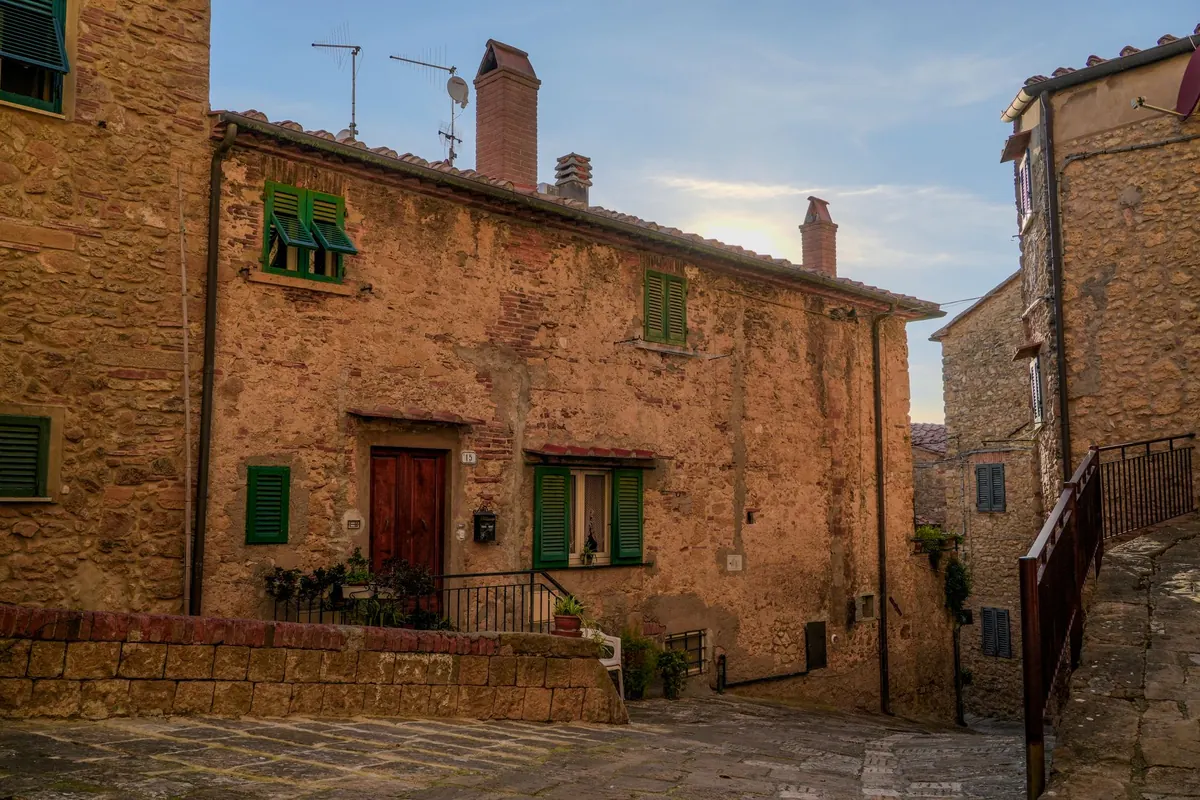
Start at the perimeter and walk it once, slowly. This is where the details are: the worn thresholds of shuttered shops, the inscriptions on a monument's plinth, the iron rings once used to tether horses, the way the paving slopes gently toward a drain so the square empties after rain. Look up at the roofline. In winter, bare trees stop hiding façades, and you can finally see how the buildings on each side disagree with one another — one Gothic, one seventeenth-century, one a postwar patch job that nobody loves.
Sound carries differently when the crowds are gone. Church bells, a delivery van reversing, a chair dragged across a café floor, the fountain switched off for the season and standing dry. It's worth sitting still for five minutes without a phone in your hand. Squares are one of the last public rooms where doing nothing is a legitimate activity, and winter is when that's easiest to notice.
Low Sun, Wet Stone: Winter Photography
Cold months are the best months for photographing a square, and the reason is light. The sun stays low, shadows stretch across the paving, and for an hour or two the whole space is lit from the side rather than blasted from above. Add rain, frost or a little fog and you have conditions that summer simply cannot offer.
A few things that reliably work:
- Shoot the golden hour twice. The first hour after sunrise and the last hour before sunset give you raking light and long shadows. Midday is for architecture, not atmosphere.
- Use the wet pavement. After rain, get low and let the reflections double the buildings and the lights. It's the closest thing to a free filter.
- Photograph the rhythm, not the whole square. A single arcade of columns receding into shadow says more than a wide shot of everything.
- Look for the small evidence of cold: frost on a bench, steam from a drain, condensation running down café glass, a scarf left on a chair.
- Protect your battery. Cold drains it quickly. Keep a spare in an inside pocket, close to your body.
- Be decent about people. If someone is the subject rather than an element of the scene, ask. In an almost-empty square, a stranger pointing a lens at you is conspicuous.
Staying Warm Without Cutting the Visit Short
The mistake most visitors make is dressing for the forecast instead of for the square. Open paved spaces are windier than the streets around them, and the difference between the sunny side and the shaded side can be five degrees and a whole mood. Layers you can open and close beat one heavy coat. A hat and gloves do more for your comfort than an extra jumper.
Then there are the routes and refuges. Walk the sunny side first and save the shade for later. Know where you can warm up for free: an arcade, a church porch, a library, the covered entrance of a station. Aim for visits of forty-five minutes to an hour with a break in the middle rather than a two-hour march that ends with everyone miserable. If you're meeting people, a café with windows onto the square is the best of both worlds — you get the view without the wind.
Two practical notes. Public toilets in parks and smaller squares are often closed or unstaffed in winter, so plan around that before you need to. And if you have a heart or breathing condition, or you're visiting with someone who does, cold wind in an exposed square can be harder work than it looks; a quick word with a pharmacist or doctor beforehand is sensible.
A Simple Plan for a Winter Visit
- Check the market days and the season's opening hours before you go; ring the tourist office if a website looks stale.
- Arrive around ten-thirty. You get the market if there is one, and the square before the lunchtime rush.
- Walk the perimeter once without stopping for photographs. Get the shape of the place in your head.
- Take coffee inside, facing the windows, and watch the square for fifteen minutes.
- Return to the middle and the façades when the light drops — that's your photography window.
- Leave before dark if the square empties and you're not sure of the surrounding streets.
One last thing, and it's the one locals notice: a winter square is a working room for the people who live around it, not a photo set. Step around the person filling a water bottle at the fountain, don't block the market's through-route to frame a shot, and buy something from the café whose toilets you'd like to use. Do that and you'll get more out of an off-season square than any summer crowd ever does.
Related posts
More stories you’ll love reading