
Architecture
Designing for Shade: How Trees and Canopies Change the Way People Use a Square
October 27, 2026
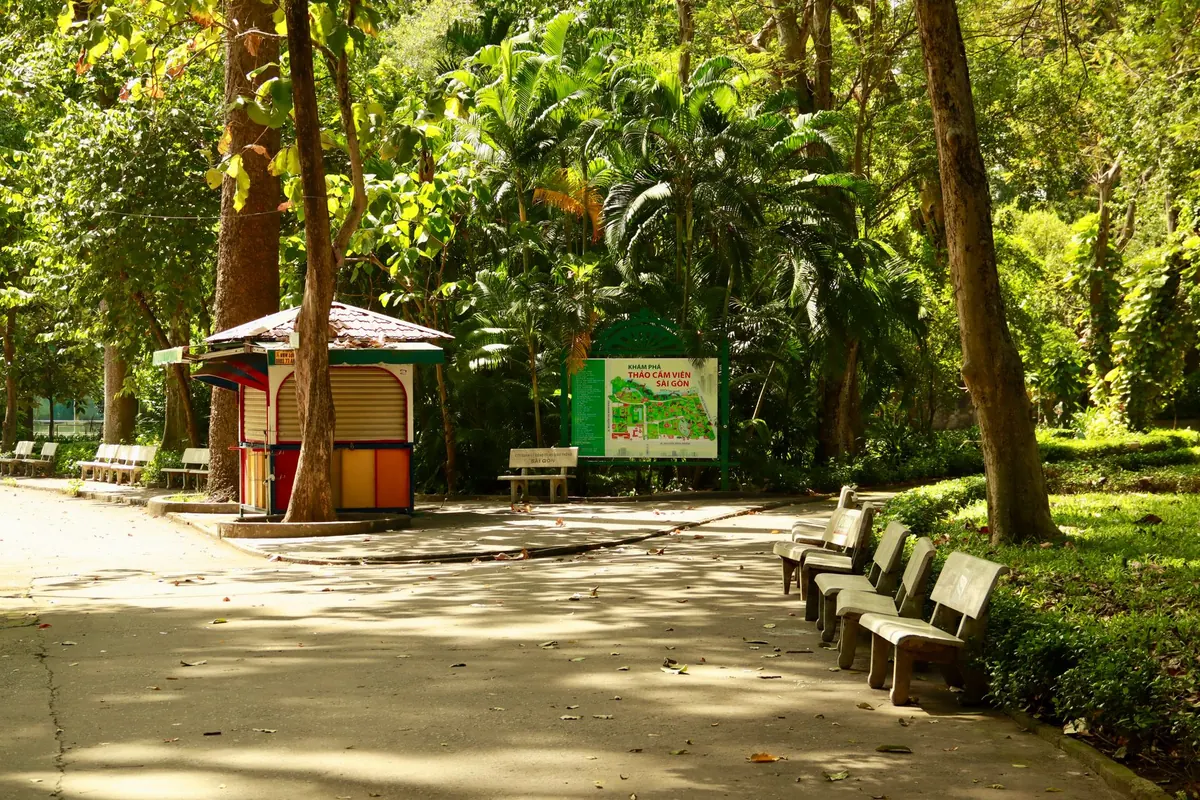
At one in the afternoon, a square without shade is a place people walk through quickly, heads down, keys already in hand. The same square at six in the evening is a different room entirely: chairs pulled into a loose circle, someone reading, kids circling a fountain. Shade is what makes that shift possible. It is also the part of public space design most often reduced to an afterthought — a line of trees along the edge, a bench moved by the maintenance crew, an umbrella that appears in June and disappears in September.
Getting shade right is not about planting more. It is about matching the type of shade to the way a square is used, and understanding that a canopy, a pergola and a mature tree each produce a different kind of comfort. They also produce different kinds of behaviour. Here is how to think it through.
Shade is an invitation to stay
Watch any square on a warm day and you will see the same pattern: the shaded bench is full, the sunny bench is empty, even when the sunny one has the better view. People are not being fussy. Direct sun on a paved surface raises the temperature of everything around it — the bench, the paving underfoot, the wall behind — and the body registers that long before the mind does.
Shade changes more than temperature. It reduces glare, which makes reading and conversation easier. It keeps surfaces dry enough to sit on. It gives the eye somewhere soft to rest in an otherwise hard landscape. And crucially, it signals that someone planned for people to be there. An unshaded square reads as a place to pass through; a shaded one reads as a place to stop.
The practical consequence for design is that shade should be distributed, not concentrated. One large tree in the middle of a plaza creates one comfortable spot. Several smaller shade zones along the edges create a square people can use in different ways at different hours.
Trees: the slowest, best investment
Nothing else does what a tree does. A mature canopy cools the air around it through transpiration, not just by blocking light, and it does so while adding colour, birdsong and a sense of season. The catch is time: the tree you plant today is not the tree that shades the square in twenty years.
Canopy density and the quality of shade
Not all tree shade feels the same. Dense-canopied species cast a deep, cool shadow that can feel almost like a room; fine-leaved species cast a dappled light that is brighter and more mobile, and far more forgiving where grass or planting sits underneath. Dappled shade is often the better choice for a square that needs to stay lively rather than dim, and for cafés that want light without glare.
Deciduous or evergreen
In most temperate squares, deciduous trees are the workhorse: dense leaf cover in summer, bare branches in winter that let low sun reach benches and façades exactly when warmth is welcome. Evergreens provide year-round structure but cast permanent shadow, which can leave a square cold and gloomy in the cooler months. In hotter climates the calculation flips, and evergreen shade becomes the priority.
What to specify, and what to protect
- Species suited to the site, not to the catalogue. Match the tree to soil volume, drainage, wind exposure and the amount of pruning it will realistically receive.
- Generous soil volume. The most common cause of failing street trees is a planting pit too small to support a mature root system. Share space with utilities early in the design.
- Water access. Young trees need irrigation for the first years. Plan for it, or plan for losses.
- Protection from compaction. Paving over the root zone, or allowing vehicles across it, shortens a tree's life dramatically. Root barriers and generous tree pits help.
- Size at maturity, not at planting. Space trees for the canopy they will have, not the sapling you see on delivery day.
Also think about litter and fruit. A species that drops sticky fruit onto paving creates a maintenance problem and a slipping hazard; one that drops large seed pods can be a nuisance near seating. These are solvable issues, but they need solving at the specification stage rather than after the first autumn.
Pergolas: built shade with a social edge
A pergola gives you shade on day one, at a predictable height and in a predictable place. That predictability is its great strength: you can put a pergola over a row of tables, along a café frontage, or across a path you want people to linger on, and you know exactly where the shadow will fall.
The mistake is treating a pergola as a decorative frame. Slat spacing, orientation and depth all determine how much sun actually gets through. Closely spaced slats on a deep structure can block most of a high summer sun; widely spaced ones may provide little more than pattern. Orienting the structure so its beams face the harshest afternoon sun is more useful than orienting it to the view.
Growing shade versus building it
Climbing plants — vines, climbing roses, grapes where the climate suits — turn a pergola into living shade over a few seasons. The trade-off is management: growth needs pruning, and some climbers are vigorous enough to damage structures or block gutters if left alone. Decide early whether the pergola is an architectural element with occasional planting, or a green structure that needs an annual maintenance commitment.
Pergolas also work socially in a way that trees sometimes do not. Columns and beams create edges and a sense of enclosure without walls, which makes a large square feel like a series of smaller rooms. People gravitate to that definition.
Fabric canopies and shade sails
Fabric shade is fast, light and adaptable, and it is often the only realistic option where soil is unavailable — over a plaza deck, a temporary market, a newly opened square waiting for its trees to grow. It also allows a level of design experimentation that heavier structures cannot match.
What matters most is what happens underneath. A light-coloured fabric reflects more light and tends to feel cooler below than a dark one, which absorbs heat and can radiate it downwards. Breathable or perforated fabrics let hot air escape rather than trapping it, and they soften the light instead of creating a hard, contrasty shadow. Air movement is essential: a canopy that blocks breeze as well as sun can feel stifling.
Three practical points are worth insisting on:
- Wind loading. Fabric catches wind like a sail. Fixings, posts and footings must be engineered for local conditions, and the structure should be inspected regularly.
- Drainage and sag. Fabric stretches and ponds water. Slight tension and a designed low point prevent sagging and premature failure.
- A maintenance plan. Fabric degrades. Retractable systems jam. Budget for replacement and cleaning from the start, or the shade disappears within a few years.
Fabric is also the most honest option about seasonality. A retractable awning or a removable sail acknowledges that shade needs change through the year, and gives the square a way to adapt without permanent shadow.
Designing the whole day, not just midsummer
The most useful design tool is a simple observation exercise. Spend a warm day in the square and record where people actually sit, hour by hour. Then map the sun's path across the same day and season, and compare. The gaps tell you where shade is missing and where it is wasted.
From there, a few principles hold up well:
- Layer the shade. Trees for long-term comfort, a pergola for defined seating zones, fabric for flexible or temporary areas. Each covers the others' weaknesses.
- Shade the seats, not just the ground. Shade that falls on empty paving does little. Put benches, tables and play equipment where the shadow will actually land.
- Keep winter sun in mind. In cooler climates, deciduous planting and removable canopies let low sun reach the square in the colder months.
- Shade the edges. Perimeter shade often works harder than central shade, because it supports lingering, watching and passing conversation.
- Plan for maintenance. Pruning, cleaning, tightening, replacing. A shade strategy without a maintenance budget is a drawing, not a place.
A short practical checklist
Before committing to a shade scheme, answer these questions honestly. Who uses the square, and at what hours? Which surfaces get too hot to touch or sit on? Where does the afternoon sun hit hardest? What soil volume is available, and what is already underground? Who will maintain the trees, the structure or the fabric, and with what budget?
Then start small where you can. A few well-sited trees with proper pits and irrigation, a pergola over the café tables, a fabric sail over the play area while the trees establish. Measure success by dwell time rather than by photographs: are people staying longer, sitting closer, coming back at different hours? Shade is one of the few interventions in a public square that changes behaviour almost immediately — and, if the trees are looked after, keeps changing it for decades.
Photo: Pham Huynh Tuan Vy / Pexels
Related posts
More stories you’ll love reading