
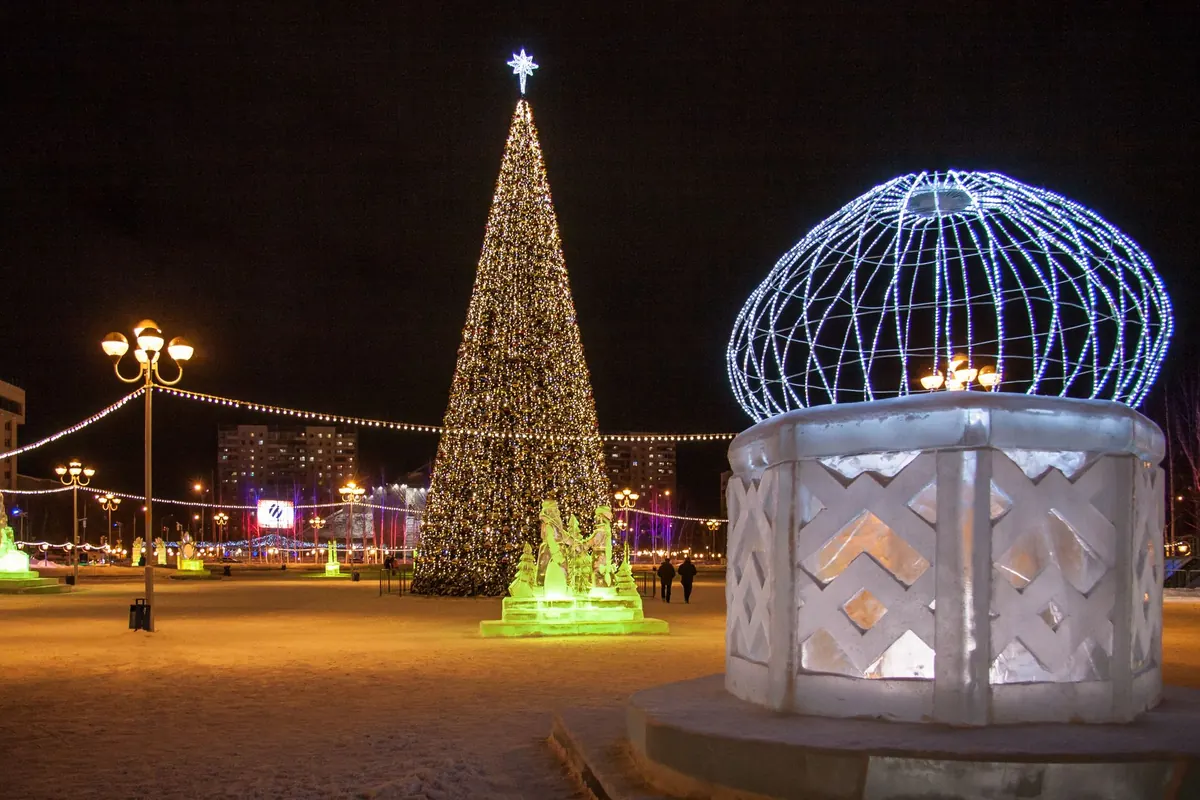
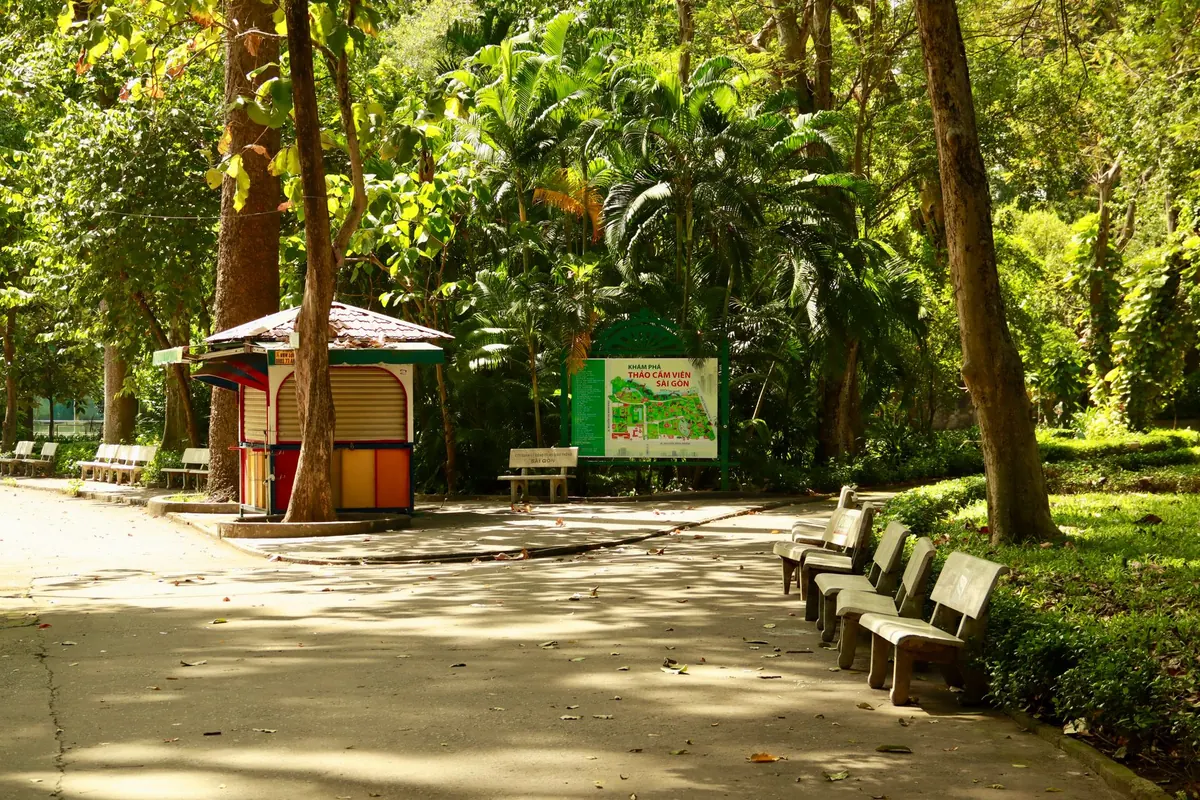
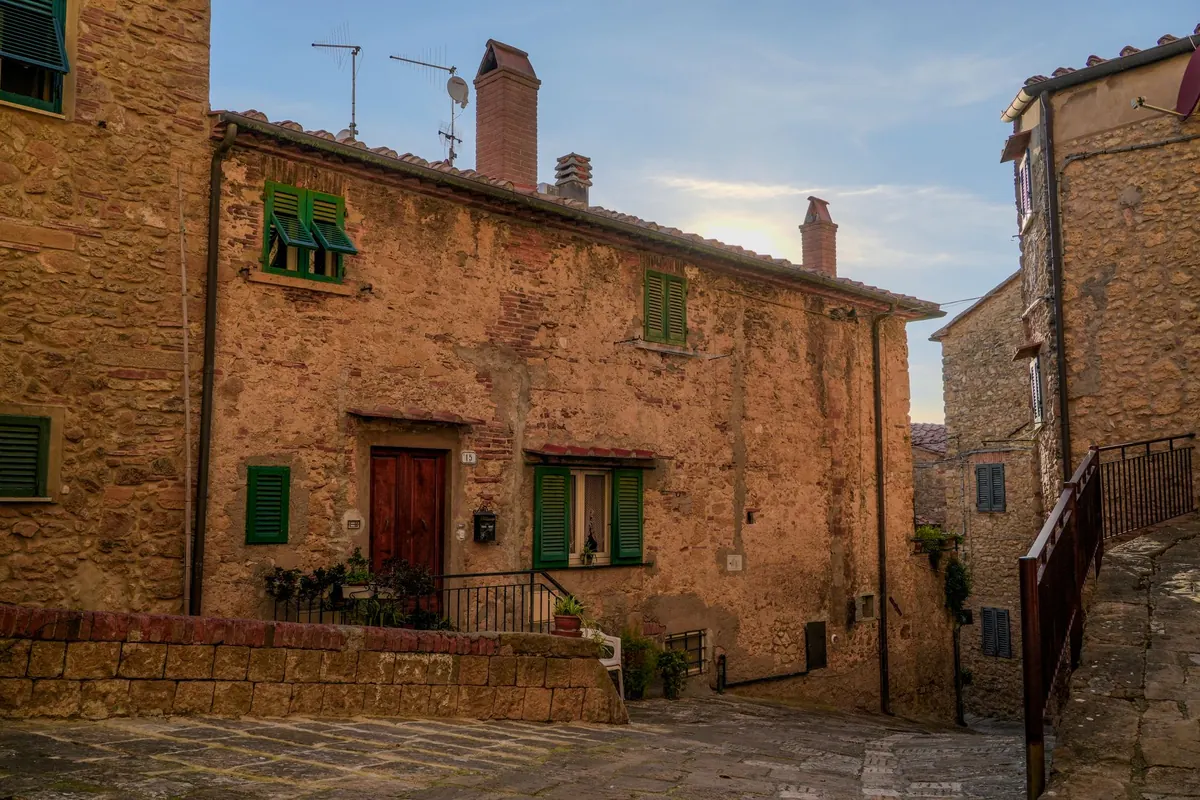
Stand at one end of a paved square at six in the evening and you see a particular kind of life: chairs dragged into the last strip of sun, a waiter stacking menus, teenagers claiming the fountain steps, someone crossing the whole space just to say hello. Stand at the gate of a neighbourhood park at the same hour and the scene changes — joggers, dogs, a parent crouched by a swing, people spread across the grass in small private islands.
Neither is better. They do different jobs, and the difference matters most to whoever has to organize something there: a market, a reading series, a summer film night, a weekly gathering for neighbours who do not yet know each other. Paved squares and green parks ask different things of the people who use them, and they give different things back. Here is how to compare them on the four points that decide whether a public space actually works.
Seating: built in versus brought in
Almost every gathering begins with a decision about sitting down, and the two models handle it differently.
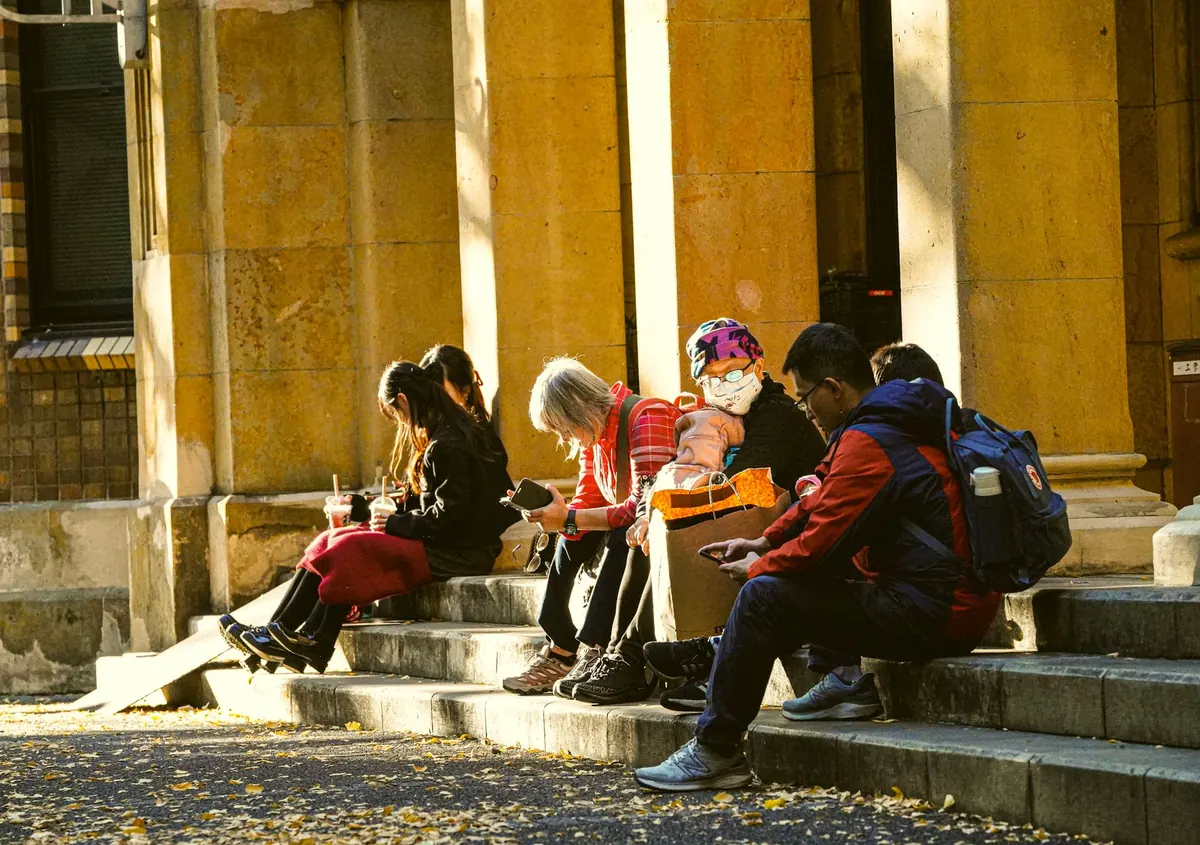
On a paved square, seating is often architecture rather than furniture. Steps, low walls, fountain rims, the base of a statue, the three shallow stairs in front of a church — people use all of them, and often for longer than a formal bench would suggest. Cafés add the rest, spilling chairs onto the stone as soon as the weather allows. The advantage for an organizer is that the room comes furnished. The disadvantage is that you rarely control the arrangement, and stone is honest about capacity: when a square is full, it looks full, and there is nowhere soft to overflow to.
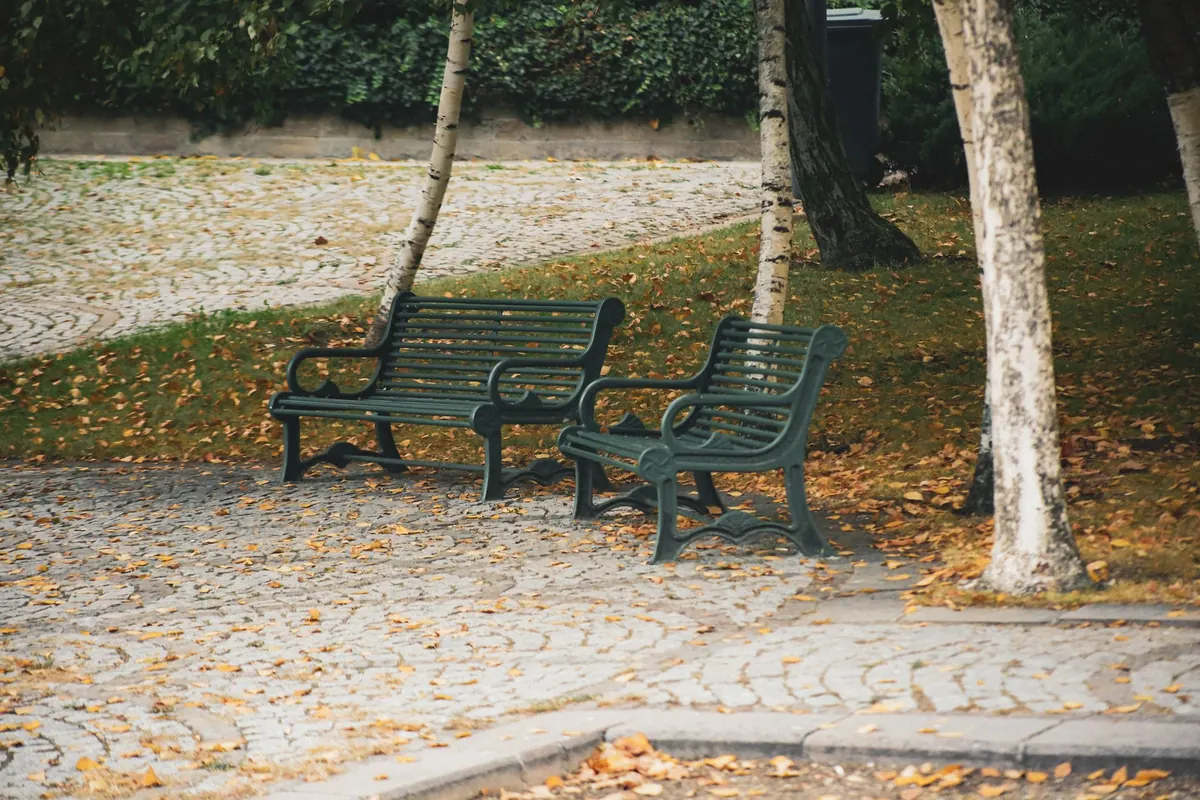
A park usually has fewer informal seats and more planned ones: benches at intervals along paths, picnic tables, a lawn that absorbs any number of people. Benches with backs and armrests get used by older visitors and by anyone staying more than twenty minutes; benches without them get used as shelves. If you are auditing a site, count only the seats you would actually take — the wall edge deep enough for a hip, the step in shade, the bench facing something worth watching rather than facing a hedge.
Two inexpensive improvements work almost anywhere: movable chairs, which let people choose conversation or solitude, and seating arranged in small clusters instead of long rows. Both change behaviour more than a new bench ever will.
Shade, wind and the shape of a day
Shade is where the models diverge most sharply, and where organizers most often get caught out.
Stone holds heat. A paved square that is pleasant at ten in the morning can be punishing at three, and the shade it does have is usually narrow and moving — the shadow of a building, a plane tree, an awning. That is not a reason to avoid squares, but it is a reason to plan around the clock. Temporary shade is easier than it looks: market umbrellas, a fabric sail strung between two walls, a pergola with vines, a row of planters with fast-growing climbers. All of it can go up for a season and come down again.
Parks offer canopy, which is better shade but comes with conditions: dew on the grass until mid-morning, ground that stays soft for a day after rain, insects at dusk, and dark corners once the light goes. Under trees the temperature is kinder; under trees the ground is also less reliable underfoot.
Walk the site at three in the afternoon and again at eight in the evening before you commit to anything. Note where people are standing, not just where the benches are. Then check the lighting: a square lit by café windows and shopfronts feels watched and usable after dark, while a park path usually needs its own light to feel the same way.
Programming: what each setting does well
Paved ground does certain things better, and organizers should be honest about which list their event falls on.
Flat, firm, drained surfaces suit anything involving tables, stalls, chairs, cables or a stage. Markets, book fairs, dance classes, film screenings with a screen hung between two facades, food stalls that need power and water. Setup is faster, cleanup is easier, and a wet morning does not turn the site into mud. Sound behaves differently too: hard facades bounce it, which flatters acoustic music and amplifies almost everything else, so check how far the noise travels toward bedrooms before you book the brass band.
Grass and gravel suit a different register: children's play, picnics, yoga, nature walks, story time under a tree, anything where people arrive and leave at their own pace. Parks also tolerate sprawl. A hundred people spread across a lawn read as a pleasant afternoon; a hundred people in a small square read as a crowd.
The practical test is simple. Write down what your event needs from the ground:
- Level surfaces for tables, stalls or a stage
- Power, water and vehicle access for deliveries
- Quick teardown and easy cleaning
- Quiet, and room for children to run
- Permission to be loud without disturbing neighbours
If the first three matter most, choose pavement. If the last two do, choose green — or find a park with a hard-standing corner.
Social mixing: the surface changes who meets whom
This is the part that is hardest to measure and easiest to feel.
A square compresses. Everyone is visible to everyone at close range, which produces a particular kind of low-effort sociability: you can spend an hour in company without committing to a conversation. You see the same faces on the same benches at the same hour. Strangers coexist comfortably because there is always something to look at — a busker, a fountain, a shop window, the slow theatre of other people. For a newcomer, that is an easy first step into a neighbourhood.
It is also exposure. Some people will not sit in the middle of a square where they feel watched, and teenagers, older women, and anyone who has been harassed in public may read an open paved space very differently from the way an organizer does.
A park disperses. People form pockets: the dog owners at the gate, the football game in the middle, the parents by the playground, the solitary reader under the third tree. A picnic blanket is a small room. This suits people who want company on their own terms, and it makes a park the easier setting for groups that attract attention in a square.
The trade-off is that parks produce fewer accidental encounters. If your aim is mixing — neighbours meeting people outside their usual circle — a paved space with good edges does more of that work, provided there is a reason to stay. People settle where open ground meets shelter: the rim of a fountain, the first step under an arcade, the café tables at the boundary of the square. Design and programming that strengthen those edges do more for mixing than a whole season of organized icebreakers.
Where the models blur
Most real places sit between the two, and the best ones borrow deliberately. A tree-lined square with permeable paving under the trees drains like pavement but sits like a park. A park with a paved plaza at its entrance gives you a gathering space with a lawn attached. When you are weighing two sites, ask whether either can be nudged: planters and umbrellas on stone, or a hard-standing corner in a green space.
How to choose: a short working method
Visit both candidates at the hour your event will actually run, and answer these on site rather than on a map.
- Where will people sit, and for how long? Count real seats, including steps and walls.
- Where is the shade at that hour? Not at noon generally — at your hour specifically.
- What does your programme need from the ground? Level, drained, powered, or soft and open.
- Who already uses the space? And will they still feel welcome once you arrive.
- What happens in bad weather? A square dries fast; grass stays soft for a day.
- What is the exit route, the water, the toilets, the lit path? The unglamorous basics decide whether people stay past dusk.
Then check the paperwork before you promise anything to anyone. Event permits, sound limits, road or path closures, insurance and accessibility requirements vary by municipality and by site, and they are easier to confirm early than to negotiate in the week before. Where rules are unclear or liability is involved, ask the local authority directly and take professional advice rather than relying on what worked somewhere else.
Choose the setting that matches the behaviour you want, not the photograph you like best. If you want people to brush past each other and stay for an hour, take the stone and give them shade, seats and something to watch. If you want them to arrive with their own company and leave when they please, take the grass and give them a clear path, a lit gate and a reason to come back next week.
Photo: betül nur akyürek / Pexels
Related posts
More stories you’ll love reading