
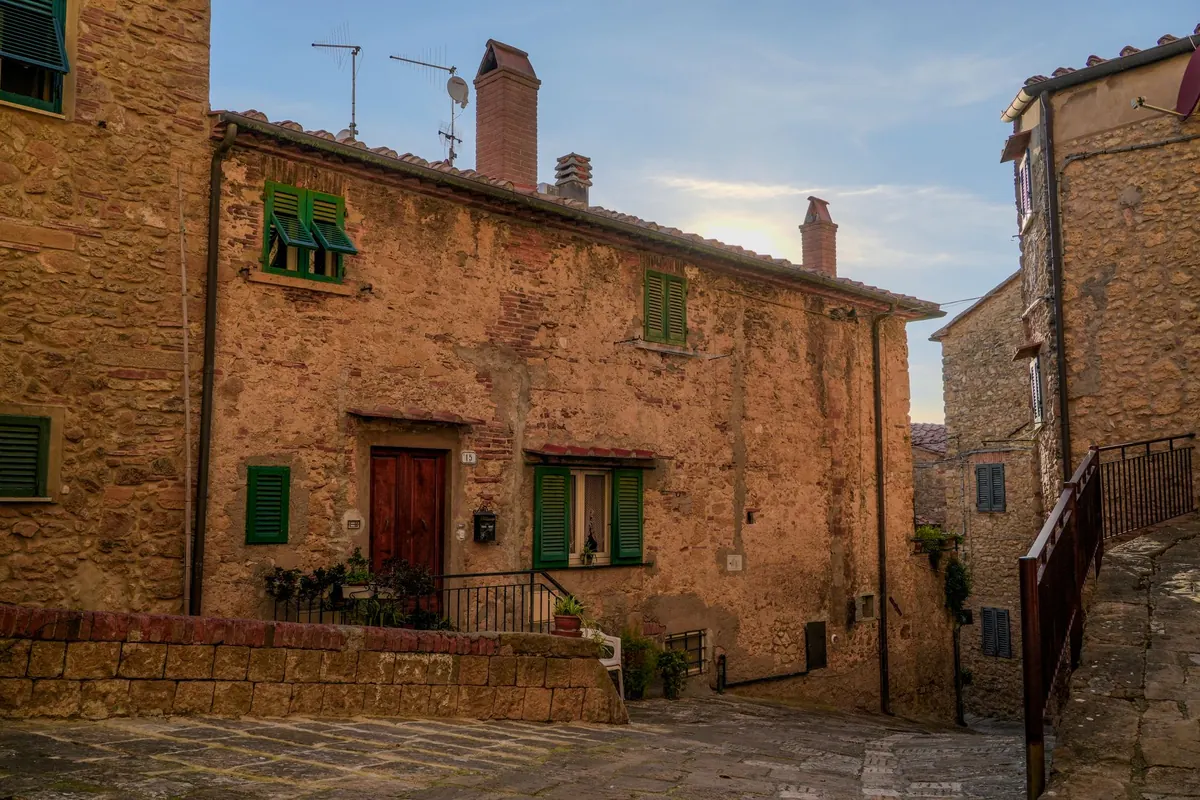
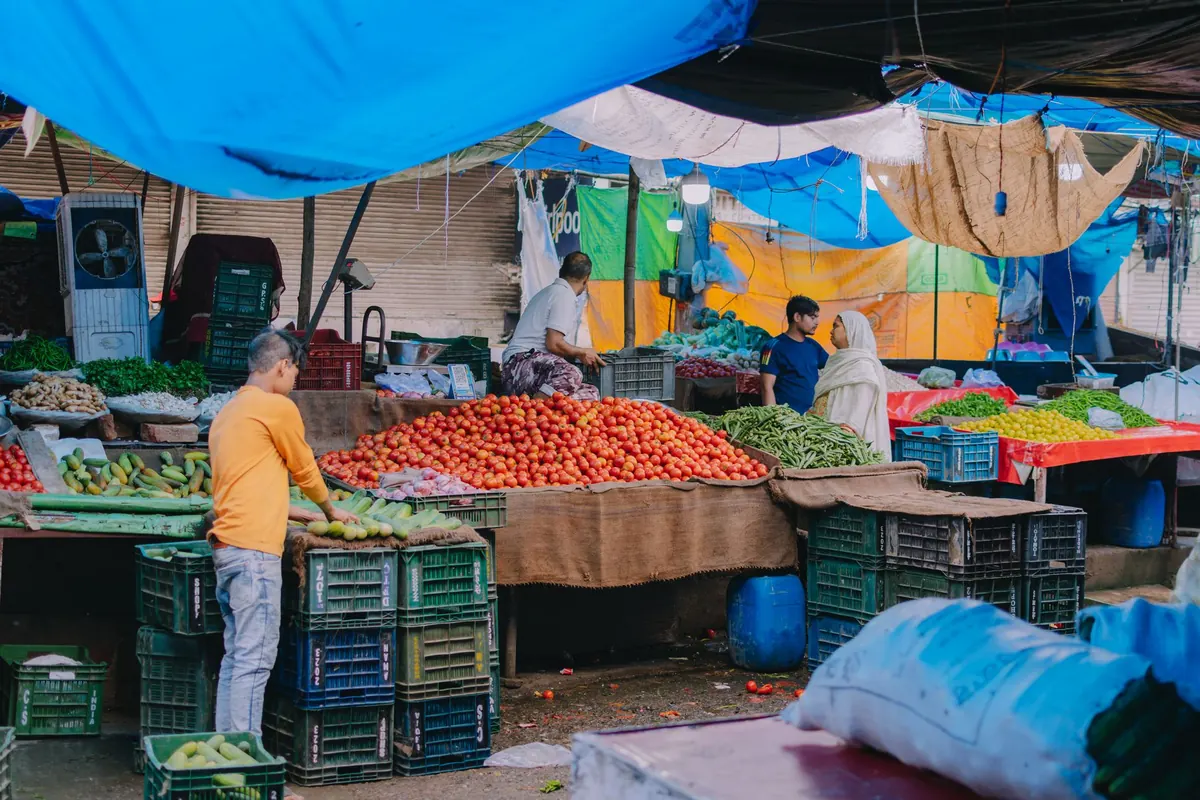
A piazza was rarely built for shopping. It was built for processions, for carts and horses, for a church facade that needed to be seen from a distance, for the front steps of the civic palace. The market is a temporary tenant in a room designed for something else entirely.
That is part of the charm and most of the difficulty. The floor is uneven, the facades funnel wind, the power supply is wherever the last festival left it, and the only water is in a fountain that has been running since the sixteenth century. None of this is a reason to abandon the idea. It is a reason to spend a long afternoon walking the square before you promise thirty stallholders a place to stand.
The Ten Checks, in Order
Print this, then walk the square with it in your hand. Everything below expands on the harder items.
- Vehicle route, gate and arch widths, and the loading window your comune will actually grant.
- Ground: setts, cobbles, camber, drains, steps, and where rainwater collects.
- Power source, cable route, and who is qualified to connect it.
- Water access, and where the washing-up water goes afterwards.
- Bin positions, collection times, and who pays for the final sweep.
- Wind strategy: ballast, a written gust limit, and one person authorised to call a stop.
- Stall frontage, aisle widths, and a clear lane for emergency vehicles.
- Toilets, plus somewhere for vendors to sit, eat and leave a bag.
- Signage, lighting after dusk, and a meeting point everyone can find.
- A wet-weather plan and a stop-market plan, written down and shared in advance.
Start With the Route, Not the Square
Drive the delivery route at the hour your vendors will drive it. Take a tape measure and a notebook rather than a phone full of optimistic notes. The narrowest point is rarely where you expect: it is the corner past the bakery where a delivery van parks every morning, or the arch beside the bell tower that clears a small van and nothing larger.
Measure the gate openings, the spacing between bollards, the height of the arch, and the width of the lane where vehicles must stop. Then walk the carry distance from that stopping point to the furthest pitch. If a trader has to haul crates of produce eighty metres over uneven setts, your layout has a problem that no amount of bunting will fix.
Check the surface in detail. Porphyry setts are beautiful and slippery when wet, and heavy trolley wheels loosen them over time. Limestone slabs stain. Watch where the ground slopes toward a drain, because that is where a stall leg will sit and where a puddle will form. Look at manhole covers, raised thresholds and the two or three steps in front of the church, which will silently rule out one whole side of the square.
Then confirm the practical permissions with your comune and the local traffic office: the loading window, the pedestrian zone rules, whether you need a temporary occupation permit, whether the market is covered by public liability insurance, and who is responsible for cleaning. Rules differ from town to town, so ask rather than assume.
Power: Assume There Is None
There is often a socket in a portico, and it is often rated for a string of bulbs rather than a coffee machine and a refrigerated display. Ask the building custodian what the circuit serves and have a qualified electrician confirm it is suitable and properly protected before anyone plugs in. A random outdoor socket is not a power supply; it is a hope.
If the honest answer is no, budget for a generator and plan it properly. Site it downwind of food stalls and away from the tables where people will want to talk, on a drip tray, with fuel stored safely and away from heat sources. Work out the total load first, add headroom, and keep the cable run as short as you can. Cables crossing a public square need proper ramps rather than tape: a cable lying loose across setts is a trip hazard and will be crushed by the first hand truck that rolls over it.
Waste: Design the Exit Before the Entrance
The end of a market is the part visitors remember, and the part neighbours judge you on. A square left with flattened cardboard in the fountain will cost you the next edition.
- Volume: glass, cardboard and packaging are bulky. Estimate the number of bins you need and multiply by two.
- Position: put bins downwind of the food aisle, clearly marked, and not beside the stall selling cheese.
- Grease: used cooking oil needs a container and a named destination, not a drain.
- Mid-event: decide who empties what at midday, and make sure they have the keys.
- The sweep: agree a time, a team and a method for washing the stone, and check with the comune whether a container on the square needs a separate permit.
- Water: grey water goes to a drain agreed in advance, never across the paving where it will stain or freeze.
Cover That Survives a Square
Open squares are wind machines. Air accelerates between two facades and arrives at a corner with no warning at all. A pop-up gazebo that felt solid in a car park will behave very differently beside a bell tower.
Never peg or drill into historic stone. Use water ballast or sandbags on every leg, at the weight the manufacturer specifies, and keep legs low to reduce the sail area. Think hard about side walls: they make a stall comfortable in light rain and turn it into a kite in a gust. Many organisers ban them entirely on exposed squares, and they are usually right.
Agree a wind speed at which the market closes, based on the equipment ratings and guidance from your supplier and local authority, and give one person the authority to call it. Write the number down so nobody has to argue in a squall.
Rain brings its own problems: setts become slick, water pools at the low corner, and cables must never sit in it. Heat needs planning too. Find the shade line in the middle of the afternoon and put seating there, keep water available, and remember that vendors standing in full sun for six hours need shade more than the visitors do.
Vendor Flow Is Visitor Flow
Draw the plan at a sensible scale, then walk it at ground level. An aisle should comfortably fit two people side by side plus a pram, and a wheelchair should be able to pass without asking anyone to move. Test it with an actual pram rather than an estimate.
Do not dead-end a row against the church steps. Visitors who hit a wall turn around, and the trader at the end of that row spends the day watching people walk away. Stagger the rows slightly, anchor the busiest stalls near the entrances, and keep a generous clear space in front of any stall likely to draw a queue, or it will eat the aisle within an hour.
Leave the fountain, the cafe's outdoor tables and the main pedestrian crossing clear. The bar owner whose terrace you block will be either your strongest ally or your loudest complaint, and the difference is usually two metres of paving.
Finally, mark an emergency lane on the plan and keep it empty, even when a trader is sure their van will only be there for a minute. Buildings, electrical connections and safe crowd movement are not areas to improvise in; confirm anything structural or electrical with a qualified professional and check the requirements with your comune.
The Night Before, and the First Hour
Arrive ninety minutes before the official opening and walk the route with the first vendor to arrive, not the last. Carry a printed site plan, a list of phone numbers and a spare pen. Name one person who can solve problems on the day and make sure every trader has that number.
Set a weather decision time the evening before, tell everyone what it is, and stick to it. Share the wet-weather plan and the stop plan in the same message as the arrival times, so nobody has to ask. Then, in the first hour, walk the square twice: once as an organiser checking fire lanes and cable ramps, and once as a visitor looking for a coffee and a place to sit. The second walk tells you more.
Photo: Pramod Tiwari / Pexels
Related posts
More stories you’ll love reading